Holiday Cottages in Devon: Tips for an Unforgettable Stay
The choice is yours; North, South, East, and West Devon all offer something different. South Devon, where trees reach to the sea and life is relaxed and maritime, North Devon, where the wide expanse of beaches face the Atlantic, to East Devon reaching toward the Jurassic coast, or West Devon and the moorland towns and villages. It's an all-around year-round destination, offering everything from fine dining and hiking to arts & crafts, surfing, and simply de-stressing. We invite you to a stay at a Devon Cottage.
Why Devon Works So Well for a Cottage Holiday Vacation
Devon is closer than you think! Railway and M5 connections to Exeter City allow immediate access to all four points of Devon’s compass. North to Woolacombe, Westward Ho, and Exmoor, West to Dartmoor, South West to Torbay, the amazing South Hams, Dartmouth and Salcombe, to Torcross and around the peninsula to Thurlestone, Kingsbridge and onward to Plymouth. East to Seaton and Beer, and nature reserves and the coast of smugglers long ago. Plan carefully and you can reach many places, experiencing the wonders of Devon from a lovely cottage, perfect for you and your family, not forgetting your pets!
Famous for being the birthplace of author Agatha Christie, Torquay, in South Devon, forms the central part of Torbay, along with Paignton and Brixham. These are perennial favourites of holidaymakers, with something for everyone: safe beaches, lots of water sports, walks and nightlife. Brixham remains a thriving fishing port to this day, and holidaymakers enjoy fresh crab, lobster and fish daily. A cottage holiday here gives access to Shaldon and Teignmouth, and the South Hams, by road and boat! Dartmoor is also a short drive away. Torbay is also becoming the stand-up paddleboarding centre of the sport, not forgetting sailing and paper boat racing. Not forgetting Kents Cavern: This is an extensive network of prehistoric caves, one of the most important Stone Age sites in Europe, with artefacts dating back over 500,000 years.
Families always enjoy the world-famous Paignton Zoo. With over 2,000 animals and amazing plants across 80 acres, you’re in for a great day out. Bring the family; there's plenty of space, picnic sites, and restaurants, plus the inevitable ice cream kiosks.
The South West Coastal Path runs around the whole Devon coastline. We recommend taking the Brixham to Kingswear ferry, then continuing on to Dartmouth (via ferry) and onward to Torcross and the three-mile-long beach at Slapton Sands, famous for its D-Day training location. Take a few days and plan carefully, enjoy amazing views, wondrous cliffs, and coves along the way.
Dartmoor and Exmoor are both for those who like hidden villages, the wilderness, Dartmoor ponies, local fairs, such as “Widecombe in the Moor Fair”, dating back centuries and famous for the “old uncle Tom Cobley and all” folk song.
Further West, reaching Plymouth, a principal and major Devon city, the Hoe and The Barbican are famous for their historical moments, including those of Francis Drake and Sir Walter Raleigh, but are better known today for the National Marine Aquarium, shopping, marina restaurants, and events.
Further East is Powderham Castle. With 700 years under the stewardship of the Courtenay family, this historic castle boasts centuries of storied history and grandeur. There are free guided tours, as well as the 600 fallow deer and regular music events, a farm shop, and dining options.
North Devon encompasses Dartmoor’s near neighbour, Exmoor, famous for its deep wooded valleys, wild red deer and the rock of Lynton. Additionally, Lundy Island is accessible by boat, offering opportunities for seal and puffin watching, as well as the Tarka Trail, situated between Barnstaple and Torrington. Probably more famous for its surf culture and amazing beaches such as Woolacombe and Saunton Sands.
There are hundreds of minor and major attractions across Devon, from Pennywell Farm, House of Marbles, Plymouth Gin, Go Ape, Babbacombe Model Village, South Devon Steam Railway, many National Trust homes, Crealy Theme Park, and so many more.
Types of Devon Cottages
Devon and the word “Cottage” are synonymous, and there is a wide range of these in size, location and feature. A Devon Cottage is often envisioned as a Thatched, low-roof affair, with a broad and open fireplace. Yes, there are many, but there are also more modern cottages with all the amenities and needs of the modern world!
We offer many pet-friendly cottages with enclosed gardens, situated close to local walks, the South West Coast Path, the Tarka Trail, and nearby beaches. The majority of these beaches are open to dogs for most of the year, and many are open year-round. Holiday Cottages are not necessarily small, and many of our homes are great for multi-generational breaks, reunions, or water sport adventures around the long, 400+ mile Devon coastline. Some of the larger properties include Devon Longhouses, typically moorland-based, and barns throughout Devon, offering wonderful views and conversions from former farm properties situated close to extensive swathes of countryside.
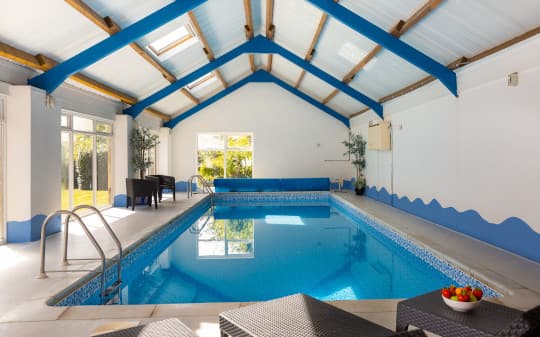
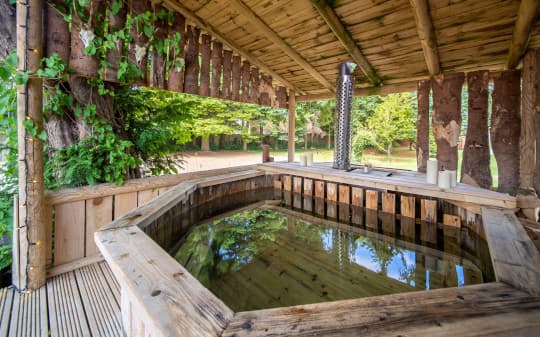
If you’re looking for pools and the popular hot tub, then we also have a good spread of these cottages, too! Importantly, we offer many accessible cottages that are wheelchair-friendly and feature other amenities suited to guests with specific needs. Our homeowners are always happy to receive enquiries about these details, too.
Best Areas to Base a Devon Stay
Woolacombe, Westward Ho! and Ilfracombe, situated along the North Devon coast, are excellent locations to explore the area, featuring the Hartland and North Devon National Landscapes, long stretches of beaches ideal for surfing and swimming, and incredible views from the cliffs. Additionally, Dartmoor is also within easy reach. Lundy Isle is a boat trip away, and a day trip to Barnstaple, Bridgewater or even Taunton.
West and South have a softer, more rolling hills aspect and generally calmer seas. A great place to start is between Exeter and Dartmouth, where both rivers need to be crossed. Torbay (Torquay, Paignton and Brixham) for everything from Golf, to stand-up paddleboarding, to dining and shopping, reaching up the coast to Shaldon village on the Teign, Teignmouth, Dawlish and Starcross, passing Powderham Castle. There are numerous small attractions, as well as key ones such as Paignton Zoo and the Dart Valley Steam Railway.
Further south, in the South Hams, Totnes and Dartmouth, situated across the River Dart from Kingswear, provide access to the beautiful South Hams. Don’t expect world attractions, but sleepy villages, the famous Torcross beach, and onward to the millionaire homes of Salcombe and the market town of Kingsbridge. Pivot south again to the beaches of Bantham, Thurlestone, and Bigbury, still relatively unknown, then on to Noss Mayo and the creek. All of these locations have the great outdoors, stunning scenery, beautiful beaches and creeks, hidden pubs, walks and restaurants. If you're into birdwatching, then Start Point is excellent for seabirds. For fishing, Prawle Point may be the place to visit. Take care, you are in the county of high hedges and narrow roads!
If your days out involve the Jurassic coast, then look East of Exeter, across the river Exe, where the beach town of Exmouth lies. Convenient for those who want a quick city trip, visit the famous Exeter Cathedral or do some shopping in the antique shops of Topsham and have a fish meal at one of the local restaurants. Moving further East along the coast, within easy reach, are Budleigh Salterton, Sidmouth, and Seaton, all great coastal towns. Inland are many cottages too, that have the country air and access to the Blackdown hills, which straddle Somerset too. If discovering a dinosaur is your (or your kids) thing, then slip across the border into Dorset and Lyme Regis and especially Charmouth.
When to visit Devon, and What It’s Like
Peak periods in the UK are generally similar, with July and August seeing the most activity, events, and best periods for swimming, beaches, and watersports. However, this also means higher costs, increased traffic, and a greater demand for early bookings.
Shoulder seasons are increasingly attractive, and weather conditions, combined with global warming, have led to stunning weather in April and May, as well as September, over recent years. Prices for holiday cottages can decrease substantially when schools go back and the daylight hours are still substantial. Locals often say they would visit in the shoulder months if they were a holidaymaker.
The winter months are often great times to take a value-led break, whether it's three days or a week, and many plan around storm watching, taking advantage of working from somewhere else rather than at home, or visiting friends or family who may be close by. Hot tubs and dog-friendly walks on beaches and moors can really boost the darker days.
Signature Attractions
The great outdoors and travel destinations
Dartmoor National Park: Granite tors, moorland ponies, ancient stone circles, and miles of hiking and cycling trails.
Exmoor National Park: Dramatic coastal cliffs, heather moors, and deep wooded valleys, great for wildlife watching and walking.
Jurassic Coast (East Devon): UNESCO World Heritage coastline with fossil-rich cliffs, rock formations, and beaches at Sidmouth, Beer, and Seaton.
English Riviera (Torbay): Seaside towns like Torquay, Paignton, and Brixham with sandy beaches, palm-lined promenades, and family attractions.
North Devon Coast: Surfing at Croyde, Woolacombe, and Saunton Sands. Rugged headlands and the cliff paths of the South West Coast Path.
Lundy Island: A remote, car-free island with puffins, seals, diving, and historic ruins.
Historic Exeter: Cathedral city with Roman walls, underground passages, and a vibrant quay.
Tarka Trail: A long-distance cycling and walking route through riverside landscapes and countryside.
Agatha Christie connections: Greenway House (her holiday home) and Torquay’s literary heritage trail.
Dartmouth & South Hams: Charming harbours, sailing culture, and coastal villages like Salcombe.
Exeter Cathedral: A magnificent example of Gothic architecture in the heart of Exeter. It is known for its stunning vaulted ceiling and a history spanning over 1,100 years.
Kents Cavern: This is an extensive network of prehistoric caves, one of the most important Stone Age sites in Europe, with artefacts dating back over 500,000 years.
Buckfast Abbey: A tranquil abbey on the edge of Dartmoor, home to a community of Roman Catholic Benedictine monks. The abbey and its beautiful grounds are open to the public.
Paignton Zoo: One of the most exciting visitor attractions in the Southwest, this zoo is home to over 2,000 animals and is a great day out for all the family.
The Donkey Sanctuary: A sanctuary and charity located near Sidmouth that provides a safe and loving home for rescued donkeys from around the world. Visitors can meet and interact with the donkeys, learning about their care and maintenance.
The Milky Way Adventure Park: An award-winning, all-weather theme park in North Devon with a variety of rides and attractions for all ages.
Crealy Theme Park & Resort: A popular theme park in Exeter with over 60 indoor and outdoor rides and attractions, live shows, and animal encounters.
Dart Valley Steam Railway: This is part of a larger "Round Robin" tour, which combines a steam train journey with a riverboat and bus. Runs from Paignton to Kingswear, running alongside the river Dart and Agatha Christie’s original home.
South Devon Railway: This is a classic heritage railway that runs for seven miles along the scenic River Dart. It's an all-day, all-weather activity, and there are lots of local attractions near the stations at Buckfastleigh and Totnes, like the Dartmoor Otters & Buckfast Butterflies and Buckfast Abbey.
Cream tea & farm produce: Iconic Devon tradition of scones, clotted cream (on first, then jam!)
Devon Beaches and Walks to Pin on the Map
Paignton Beach, with its very shallow sloping waters, is great for children. The beach features a Victorian construction pier, a playpark, and a cinema/restaurant to entertain the family. All close to the high street and pubs and bars too.
Goodrington Beach. Similar to Paignton, but a greenfield park and plenty of parking, plus a new Waterslide and amusements. Children love it!
Torcross Beach, where the D-Day landings were prepared, is home to an American tank recovered from the ocean as a memorial to those who lost their lives in WWII. A great and popular photo shoot. Also, a great place to experience wild easterly storms on a spring tide!
Bantham Beach, located in the South Hams, is largely unknown, boasting dunes, a fantastic beach, and a gentle river that runs through it.
South West Coastal Path, which runs through the whole of Devon, but from Brixham to Kingswear, is an excellent opportunity to witness the landscape and wildlife.
Woolacombe and Bude beaches for Atlantic coast swells and opportunities for surfing and bodyboarding, plus long walks with your dog.
Dartmoor and Exmoor offer many 1 to 5-mile circular walks that can be enjoyed by both the hyperactive and those who may want to take a break halfway. Wear good footwear and be prepared in case it's raining. Also, don’t go if snow is forecast.
Eating Well
With several Michelin-starred restaurants, we recommend booking these early. Budget-friendly eating with a family is very important, and there are many cafes and outdoor restaurants that offer good value, including those serving famous fish and chip dishes. All major spots, from Torbay in the south to Woolacombe in the north, have a plentiful supply of places to enjoy. Some of the South West Coastal paths have hidden cafes, so check the map first to ensure they are open. If not, be sure to take plenty of water, especially in the summer, and consider packing a picnic.
Practical Tips
Parking and access: popular coves and fishing villages can fill by late morning in high season. Arrive early or late, use park‑and‑ride where available, and read local signs. For tidal places, check times, then set an alarm as a reminder.
Safety and tides: favour lifeguarded beaches when swimming, especially with children or in rough conditions. Look for flags and chat with lifeguards about rips and conditions.
Kit list: layers for wind, even in July; proper walking shoes; a light towel and swim kit in the car for opportunistic dips; a small dry bag for phones; and coins for rural car parks that have not yet fully switched to card payments.
A Simple Way to Structure a Week
For a short break, three to four nights: pick one base, choose one standout attraction, one coast‑path walk, one beach day, and one long lunch in a village.
For a week: split the stay between two bases, for example, Brixham in the South and then Ilfracombe or Woolacombe in the north, then one day to travel across Dartmoor and enjoy the views and a pub lunch.
The Perfect Devon Cottage Holiday
Devon is beautiful and abounds in things to do, see, and explore. Choose a comfortable cottage base, check out the local destination websites, and if social media is your thing, see what others recommend. However, Devon is best suited for exploration as it was in days of old. Sit on Bayards Cove in Dartmouth (home of the Onedin Line), watch the boats and ferries, or throw a ball for your happy pup on one of the 120 beaches, or hold your children's hands as they test the water for the first time. Take a day out to explore galleries and coffee shops, and enjoy lunch at a historic pub that has stood for centuries. This is about experiences and memories, not forgetting the phone photos that remind you every year to come back again!
🌈NHS Discount Rainbow
Properties marked with a rainbow have discounts for NHS & social care workers.
See individual properties for details.
View more details